
Compare Local Contractors for Residential Landscape Drainage Projects
Compare local contractors for residential landscape drainage to define project scope, verify experience, and set clear expectations for a successful outcome.
Residential landscape drainage projects typically involve installing or improving systems that direct excess water away from a property’s foundation, walkways, and landscaped areas. This work can include the installation of French drains, surface grading, sump pumps, downspout extensions, and other solutions designed to prevent water accumulation and reduce the risk of flooding or water damage. Proper drainage not only protects the structural integrity of a home but also helps maintain healthy landscaping and prevents erosion. When planning such work, property owners should consider the specific water flow patterns on their land and identify problem areas to ensure the chosen drainage solutions address those needs effectively.
Defining the scope of a landscape drainage project is an important step in ensuring the work meets expectations. Clear communication about the desired outcomes-such as preventing basement flooding, improving yard usability, or protecting plantings-helps contractors understand the extent of the work. It’s useful to specify the types of drainage systems preferred, any existing features that need to be integrated or avoided, and the general areas where water issues are most evident. Having a well-defined scope helps prevent misunderstandings, provides a basis for comparing different service providers, and ensures that contractors can deliver proposals that align with the property owner’s goals.
When evaluating local contractors for landscape drainage work, property owners should consider their experience with similar projects and their familiarity with the local area’s soil and climate conditions. It’s advisable to verify that prospective service providers have a history of completing projects successfully in the neighborhood or region. Comparing multiple contractors involves reviewing their scope of work proposals, understanding how they plan to approach the project, and assessing the clarity of their written descriptions. Asking for references or examples of completed work can also provide insight into their capabilities. By thoroughly comparing their experience, scope definitions, and communication practices, property owners can select service providers who are well-equipped to handle their drainage needs effectively.
Compare local contractors by outlining project priorities, verifying experience, and setting clear expectations in writing.
- Compare Contractor Experience - Review the background and project history of local contractors to ensure they have relevant expertise.
- Define Project Scope Clearly - Establish detailed expectations and deliverables in writing before work begins.
- Verify Qualifications - Confirm that service providers have the necessary skills and references for residential drainage work.
- Request Written Agreements - Ensure all project details, including scope and responsibilities, are documented in a formal agreement.

Before comparing contractors, clearly describe your drainage project, define the scope, verify experience, and set expectations in writing.
- Assess experience with residential landscape drainage projects - verify that service providers have a proven track record handling similar drainage solutions.
- Define the scope of work clearly in writing - ensure all drainage issues, materials, and methods are documented to prevent misunderstandings.
- Compare multiple local contractors - evaluate their expertise, reputation, and the range of services offered for drainage systems.
- Check references or reviews from previous clients - gather feedback on the quality and reliability of the contractor’s drainage work.
- Verify that contractors understand site-specific considerations - look for knowledge of local soil conditions, grading, and existing landscape features.
- Request detailed project proposals - ensure proposals include clear descriptions of work, materials, and any warranties or guarantees offered.
Compare local contractors, clarify project scope, verify experience, and set clear expectations in writing.
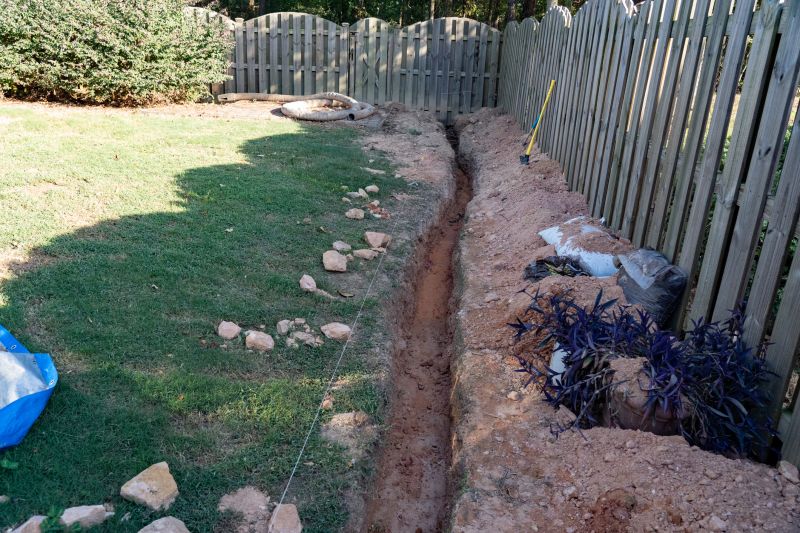

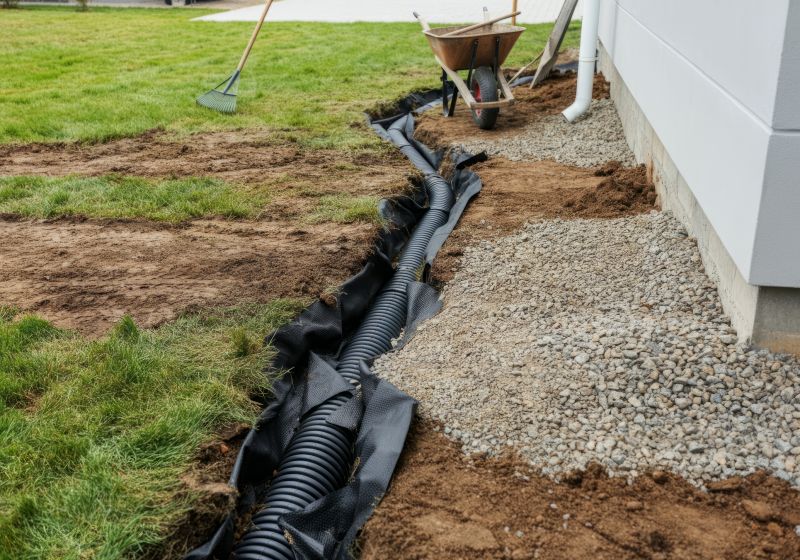
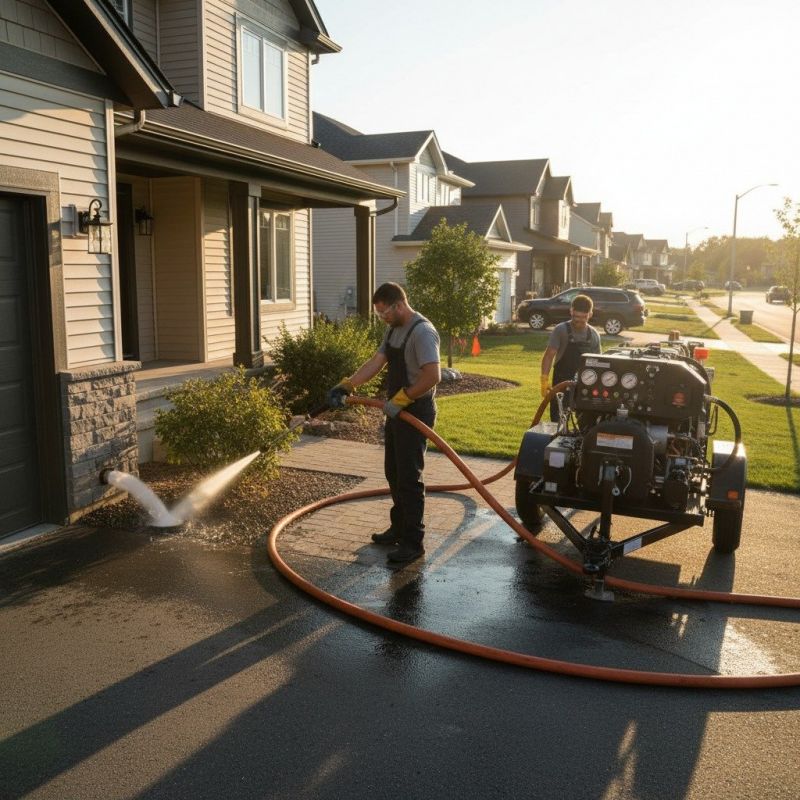
This scope builder helps compare residential landscape drainage contractors by clarifying work scope, verifying experience, and setting clear expectations.
- Scope Definition - Clearly outline the specific drainage issues to be addressed and the desired outcomes for the landscape project.
- Experience Verification - Confirm that local contractors have relevant experience with residential landscape drainage systems.
- Material and Method Selection - Specify the types of drainage materials and installation methods preferred or required for the project.
- Work Scope in Writing - Ensure all project details, including tasks and responsibilities, are documented clearly in the scope of work.
- Comparison and Evaluation - Use detailed scope information to compare different service providers and assess their suitability for the project.
When evaluating contractors for residential landscape drainage projects, it is important to consider their experience with similar jobs. A contractor with a proven track record in handling drainage issues comparable to the scope of the project can offer insights into effective solutions and common challenges. Asking for examples of past work or references related to drainage systems can help gauge their familiarity with different site conditions and drainage techniques. This experience can contribute to a smoother process and more reliable results, especially when addressing complex or unique landscape features.
A clear, written scope of work is essential for setting expectations and ensuring all parties understand the project requirements. A detailed description of the tasks involved, materials to be used, and the desired outcomes helps prevent misunderstandings. Homeowners should look for contractors willing to provide a comprehensive scope that covers every aspect of the drainage system, from site assessment and planning to installation and final adjustments. Having this information in writing creates a reference point throughout the project and helps ensure that the work aligns with the homeowner’s needs.
Verification basics involve confirming that a contractor has the appropriate experience and a thorough understanding of the project scope. Homeowners can verify this by reviewing references, checking past project descriptions, and asking how the contractor plans to approach specific drainage challenges. It’s also helpful to inquire about the methods and materials they typically use, as well as their process for handling unforeseen issues. This verification process ensures that the contractor’s expertise aligns with the project’s demands and provides confidence that the work will be performed competently.
When comparing options among local service providers, it is important to focus on the quality of their proposals and how well they address the specific needs of the site. Evaluate the clarity and detail of their written scope, the experience they highlight, and their approach to solving drainage problems. Asking detailed questions about their methods and requesting examples of similar projects can help clarify their capabilities. By thoroughly reviewing these aspects, homeowners can make informed decisions based on the contractor’s expertise and the comprehensiveness of their proposal, rather than relying solely on price or promotional claims.
Request written descriptions of scope, responsibilities, and expectations to ensure clarity and consistency among service providers.
- Experience and Specialization - What specific experience do local contractors have with residential landscape drainage projects?
- Scope of Work - How clearly do contractors define the scope of work and drainage solutions they offer?
- Materials and Methods - What drainage materials and installation methods do service providers typically use?
- Project Expectations - How do local contractors communicate project expectations and deliverables in writing?
- Comparison Criteria - What criteria should be used to compare the qualifications and approaches of different service providers?
How can I compare contractors for residential landscape drainage? To compare local service providers, review their experience, scope of work, and reputation, and ensure they provide clear, written details about the project scope and expectations.
What should I ask contractors about their experience with landscape drainage? Inquire about their previous projects, areas of expertise, and familiarity with drainage solutions similar to your property to ensure they have relevant experience.
How important is defining the scope of work when hiring a contractor? Clearly outlining the scope helps set expectations, prevents misunderstandings, and ensures all parties agree on the work to be performed.
What details should be included in a written agreement with a contractor? The agreement should specify the scope of work, materials to be used, project timeline, and any other relevant expectations to provide clarity and protect both parties.
How can I verify a contractor’s experience with residential drainage projects? Ask for references or examples of previous work, and consider reviewing any available project portfolios or client testimonials to assess their expertise.
Why is it important to set clear expectations in writing for a drainage project? Written expectations help ensure all parties understand the project requirements, reduce misunderstandings, and provide a reference point throughout the work process.
Understanding the key aspects of residential landscape drainage projects helps homeowners make informed decisions. Visitors learned how to define the scope of work, verify the experience of service providers, and set clear expectations in writing to ensure a smooth process. Comparing local contractors can lead to finding the right match for specific needs and preferences.
Using the quote form allows homeowners to easily connect with local contractors who specialize in landscape drainage. It provides a straightforward way to explore options, gather information, and make well-informed choices by reviewing multiple service providers in the area.