
Compare Local Contractors for Effective Water Pooling Prevention
Compare local contractors for water pooling prevention to define project scope, verify experience, and set clear expectations for a successful outcome.
Water pooling prevention involves a range of services aimed at managing surface water to protect a property’s foundation and surrounding landscape. Typical work includes grading to ensure proper slope away from structures, installing drainage systems such as trenches, channels, or drain pipes, and sealing or waterproofing vulnerable areas. Contractors may also evaluate existing drainage patterns, recommend modifications, and implement solutions that divert excess water to designated drainage points. Proper assessment and tailored solutions are essential to effectively mitigate water accumulation and prevent potential damage caused by standing water.
Defining the scope of work is a critical step in ensuring that the water pooling prevention project meets specific needs and expectations. Clearly outlining the tasks involved-such as site assessment, grading adjustments, drainage installation, or waterproofing-helps property owners understand what services are included and what might be outside the project's scope. Having these details in writing can prevent misunderstandings, ensure that all necessary work is covered, and serve as a reference throughout the project. A well-defined scope also facilitates better communication with contractors, making it easier to compare proposals and verify that each service provider understands the requirements.
Property owners can compare local contractors by evaluating their experience with water pooling prevention projects and understanding the range of services they offer. It’s beneficial to review each contractor’s approach to assessing site conditions, the methods they recommend, and their previous work in similar settings. Asking for detailed proposals or written plans can help clarify their process and ensure transparency. Additionally, verifying that contractors have a solid reputation for reliability and quality within the community can aid in making an informed decision. By focusing on expertise, scope clarity, and professionalism, property owners can select a service provider capable of delivering effective water pooling prevention solutions tailored to their property’s needs.
Compare local contractors by outlining project priorities, verifying experience, and setting clear expectations in writing.
- Compare Contractor Experience - Review local contractors’ backgrounds to ensure they have relevant experience with water pooling prevention.
- Define Project Scope Clearly - Outline specific tasks and responsibilities to set clear expectations for the water management work.
- Verify Credentials and References - Check references and past projects to assess the reliability and expertise of service providers.
- Document Agreements in Writing - Ensure all project details, responsibilities, and expectations are documented to prevent misunderstandings.
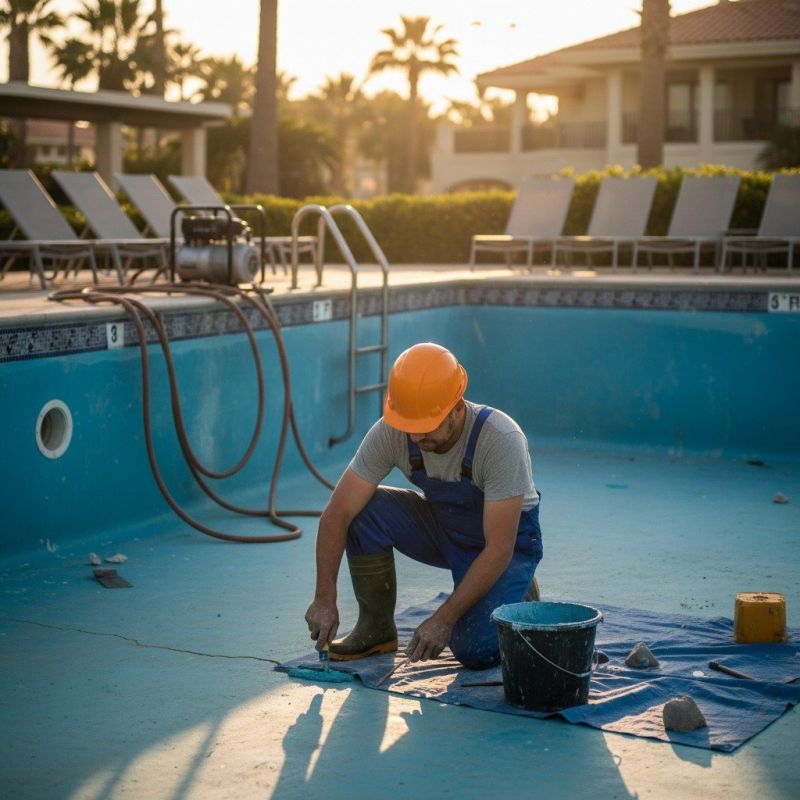
Compare local contractors by clearly describing your water pooling prevention project, defining scope, verifying experience, and setting expectations in writing.
- Assess drainage solutions - ensure contractors evaluate existing grading and identify effective methods to direct water away from the pool area.
- Verify experience with water management - look for service providers with a history of successful drainage and water pooling prevention projects.
- Define scope clearly in writing - confirm that the contractor outlines specific measures to prevent water accumulation and pooling.
- Check for proper site assessment - ensure contractors inspect the landscape, soil, and drainage pathways before proposing solutions.
- Request detailed work plans - look for comprehensive descriptions of the steps involved in water pooling prevention efforts.
- Establish written expectations - confirm that the scope, methods, and responsibilities are documented to prevent misunderstandings.
Compare local contractors' experience and scope options to ensure clear expectations for water pooling prevention.
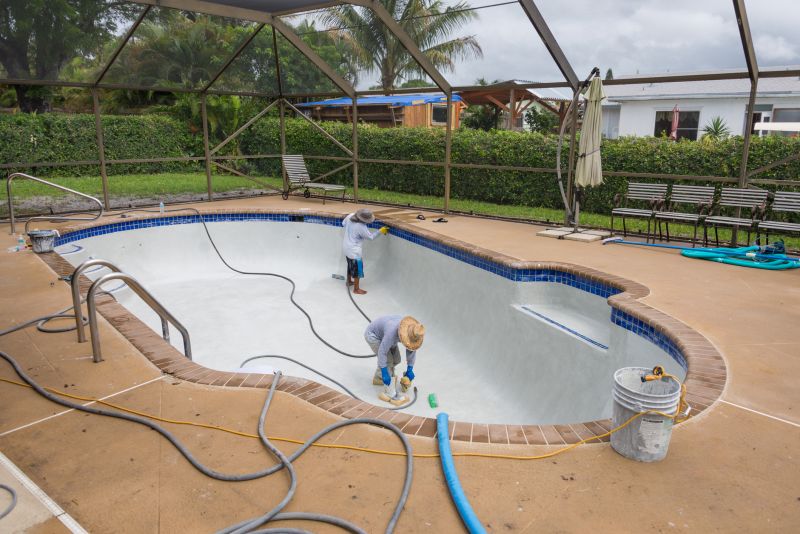
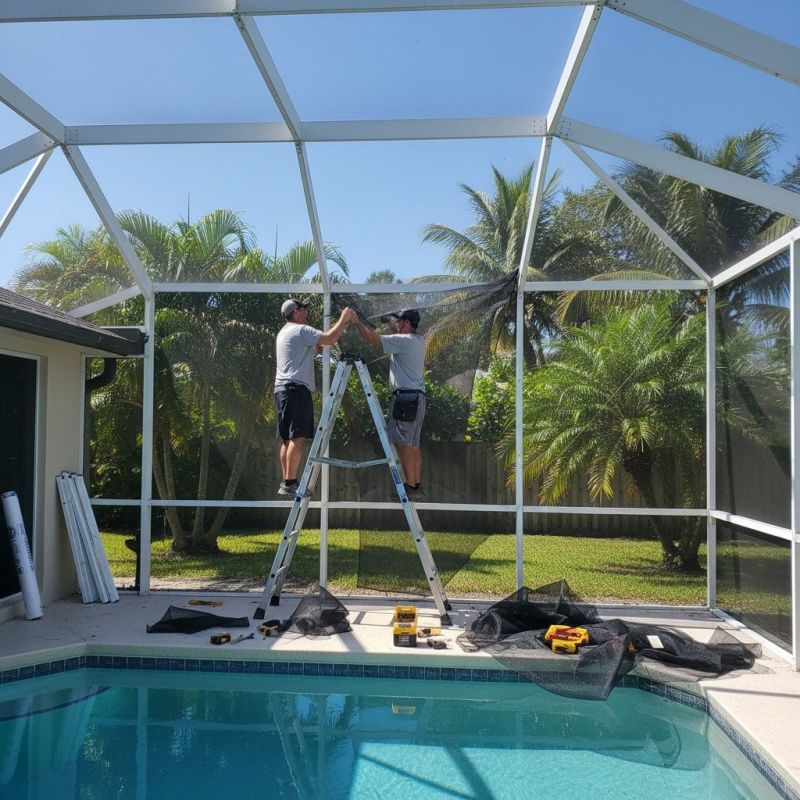
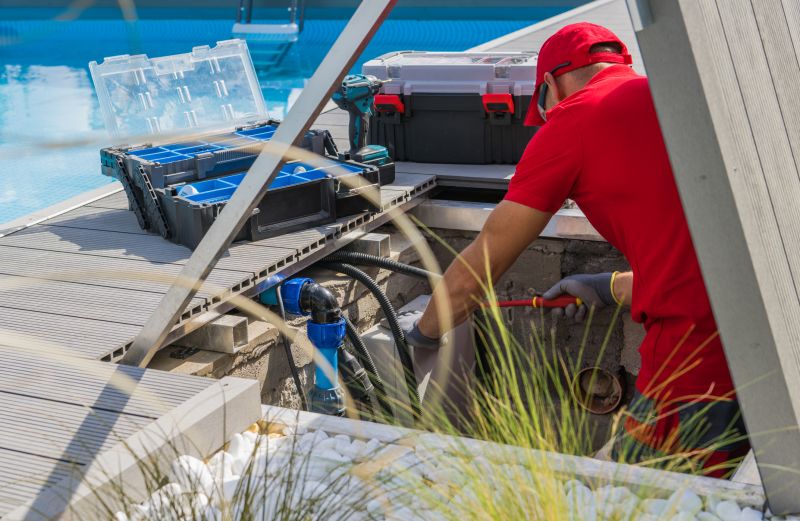
Compare local contractors' scope definitions and experience to ensure consistent standards for water pooling prevention.
- Drainage Assessment - Define the existing landscape and identify areas prone to water accumulation.
- Scope of Work - Specify the drainage solutions or modifications required to prevent pooling.
- Experience Verification - Confirm that the service provider has relevant experience with water pooling prevention.
- Material and Method Details - Outline the materials and techniques the contractor will use for effective water diversion.
- Written Agreement - Ensure all project details, responsibilities, and expectations are documented in a clear contract.
When evaluating contractors for water pooling prevention, it’s essential to consider their experience with similar projects. Homeowners should inquire about the types of drainage or grading issues the service providers have addressed in the past. Contractors with a history of successfully managing water runoff and pooling problems in residential settings are more likely to understand the nuances of effective solutions. Asking for examples or references related to past work can help gauge their familiarity with local site conditions and common challenges, ensuring that the chosen service provider has relevant hands-on experience.
A clear, written scope of work is a vital component when comparing contractors. This document should outline the specific tasks to be performed, such as grading, drainage installation, or soil modification, along with the expected outcomes. A detailed scope helps prevent misunderstandings and sets clear expectations for the project’s extent. Homeowners should look for proposals that specify what will be done, how it will be achieved, and any materials or methods involved. Having this information in writing provides a foundation for evaluating the thoroughness and professionalism of each contractor.
Verification basics are key to assessing the reliability of local contractors. While licenses and certifications are not the focus here, homeowners can ask about the contractor’s process for assessing the site, such as soil testing or drainage analysis. Understanding how a service provider plans to verify the effectiveness of their work-through visual inspections, water flow tests, or other methods-can indicate their commitment to quality. Ensuring that contractors follow a systematic approach to verification helps confirm that the solutions will be functional and durable over time.
When comparing options, it’s important to evaluate how each contractor approaches project planning and communication. Homeowners should seek detailed, written explanations of the proposed solutions, including the methods for addressing water pooling issues. Clarifying how the contractor intends to verify success and what steps will be taken if problems persist is also beneficial. By focusing on the clarity of scope, experience with similar projects, and verification practices, homeowners can make informed decisions based on the professionalism and thoroughness of each service provider-without the influence of pricing or timelines.
Ask contractors to provide written scope details to ensure clear expectations and consistent project understanding.
- Experience and Expertise - What specific experience do the local contractors have with water pooling prevention projects?
- Scope of Work - How do the contractors define and outline the scope of the water pooling prevention services they provide?
- Comparison of Services - What methods do the service providers use to differentiate their approaches and solutions?
- Scope Clarity - Are the tasks, responsibilities, and deliverables clearly detailed in the project scope?
- Written Agreements - Do the contractors provide a detailed written plan that sets clear expectations for the water pooling prevention work?
What should I consider when choosing a contractor for water pooling prevention? It's important to compare local contractors based on their experience with water management solutions, review their scope of work, and ensure all project details are clearly outlined in writing to set proper expectations.
How can I verify a contractor's experience with water pooling issues? You can ask for references or examples of previous projects related to water pooling prevention, and check if they have specialized knowledge or a history of handling similar situations effectively.
What questions should I ask a contractor before hiring for water pooling prevention? Inquire about their approach to drainage solutions, the materials they use, how they plan to address specific water issues, and request a detailed scope of work to ensure clarity on the services provided.
Why is it important to have a written scope of work with a contractor? A written scope helps define the responsibilities, deliverables, and expectations for the project, reducing misunderstandings and ensuring all parties are aligned on the work to be performed.
How do I compare different contractors for water pooling prevention services? Review their experience, ask about their methods, verify references, and ensure their scope of work aligns with your needs to make an informed comparison.
What role does communication play when working with a contractor for water pooling prevention? Clear and detailed communication ensures that project expectations are understood, changes are documented, and any concerns are addressed promptly, leading to a smoother process.
Understanding the importance of proper water pooling prevention, visitors have learned how to identify qualified local contractors who can handle the job effectively. They now know the value of clearly defining the scope of work, verifying experience, and setting expectations in writing to ensure a smooth process. Comparing different service providers allows for making informed decisions based on their capabilities and approach.
Encouraged to take the next step, visitors can use the quote form to explore options and connect with local contractors experienced in water pooling prevention. This process helps gather information and compare services, making it easier to find the right professionals for the project.