
Compare Local Contractors for Storm Water Drainage Services
Compare local contractors to define project scope, verify experience, and set clear expectations in writing for effective storm water drainage solutions.
Storm water drainage services typically involve designing, installing, and maintaining systems that manage excess rainwater runoff on a property. This work can include installing or repairing drains, culverts, and channels to direct water away from foundations, basements, and landscaped areas. Proper drainage helps prevent water accumulation that can lead to flooding, erosion, or damage to structures. When planning these services, property owners should consider the specific needs of their site, such as the landscape, soil type, and local weather patterns, to ensure the drainage system functions effectively over time.
Clearly defining the scope of storm water drainage work is essential for setting expectations and ensuring the project meets the property's needs. A well-detailed scope might specify the types of drainage components to be installed, the areas to be addressed, and any necessary site preparation or modifications. Having this clarity helps property owners communicate effectively with service providers, avoid misunderstandings, and ensure that all parties agree on what work will be performed. It also provides a basis for comparing proposals from different contractors and verifying that they are offering comparable services.
Property owners seeking storm water drainage services can compare local contractors by evaluating their experience with similar projects and understanding their approach to scope definition. It’s helpful to ask potential service providers about their past work, especially projects comparable in size or complexity. Reviewing how each contractor plans to approach the work and what is included can reveal differences in service quality and thoroughness. Additionally, ensuring that scope details are documented in writing helps establish clear expectations and provides a reference point throughout the project. This approach supports informed decisions when selecting a contractor capable of delivering reliable storm water management solutions.
Compare local contractors by outlining project priorities, verifying experience, and clearly defining scope and expectations in writing.
- Compare Contractors - review multiple local service providers to find the best match for storm water drainage needs.
- Define Scope Clearly - outline specific project requirements to ensure all parties understand the work involved.
- Verify Experience - check the background and past work of service providers to assess their expertise.
- Set Expectations in Writing - document project details and agreements to promote clarity and accountability.
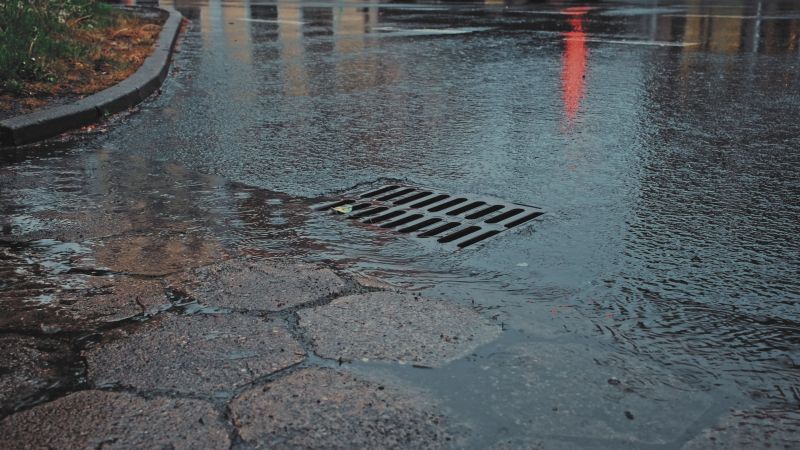
Clearly describe your storm water drainage project to help local contractors compare options, define scope, and set expectations in writing.
- Verify experience and expertise of local contractors in storm water drainage services. Consider how contractors define the scope of work to ensure all drainage issues are addressed.
- Compare the methods and materials used by different service providers for effective water management solutions. Check that all project details are clearly outlined in written agreements before work begins.
- Assess the reputation and reviews of local contractors to gauge their reliability and quality of service. Ensure that contractors have a thorough plan for managing site conditions and potential disruptions.
- Discuss maintenance and future care requirements to understand ongoing responsibilities and costs. Confirm that the scope includes proper drainage system installation, repair, or cleaning as needed.
- Request detailed proposals that specify the work to be performed and the materials to be used. Ensure all expectations and deliverables are documented to prevent misunderstandings later.
Compare local contractors, verify their experience, and clearly define scope to ensure successful storm water drainage projects.
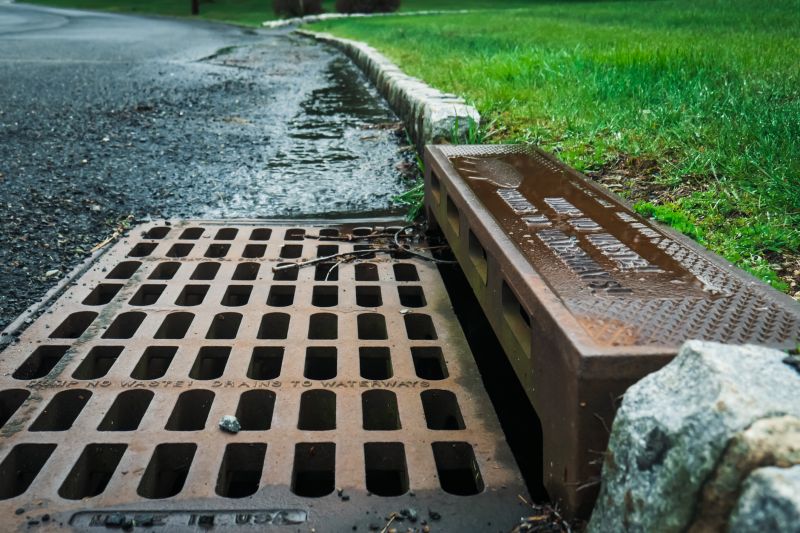
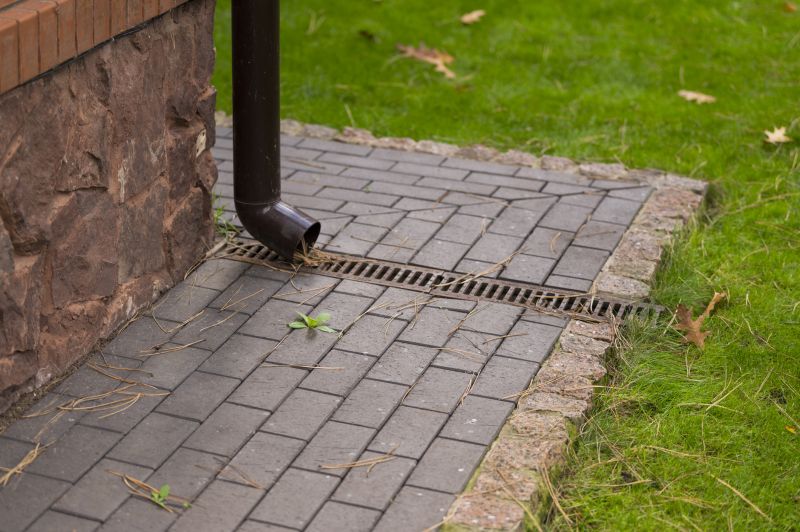
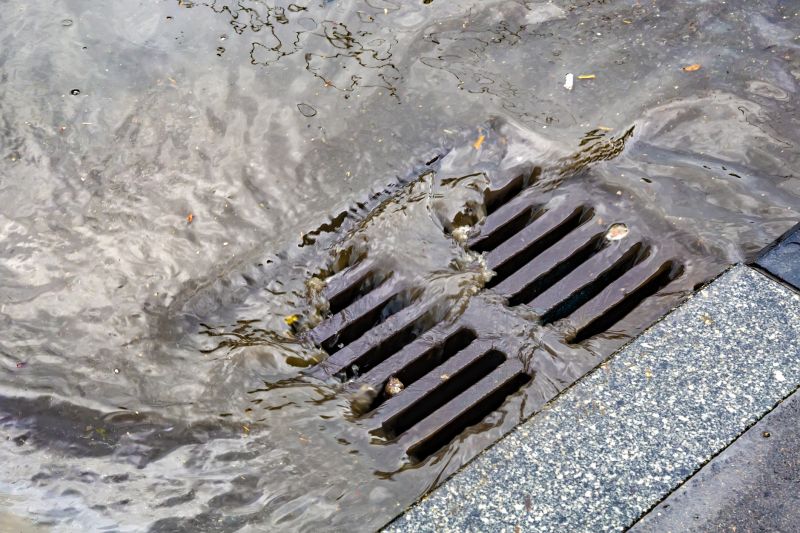
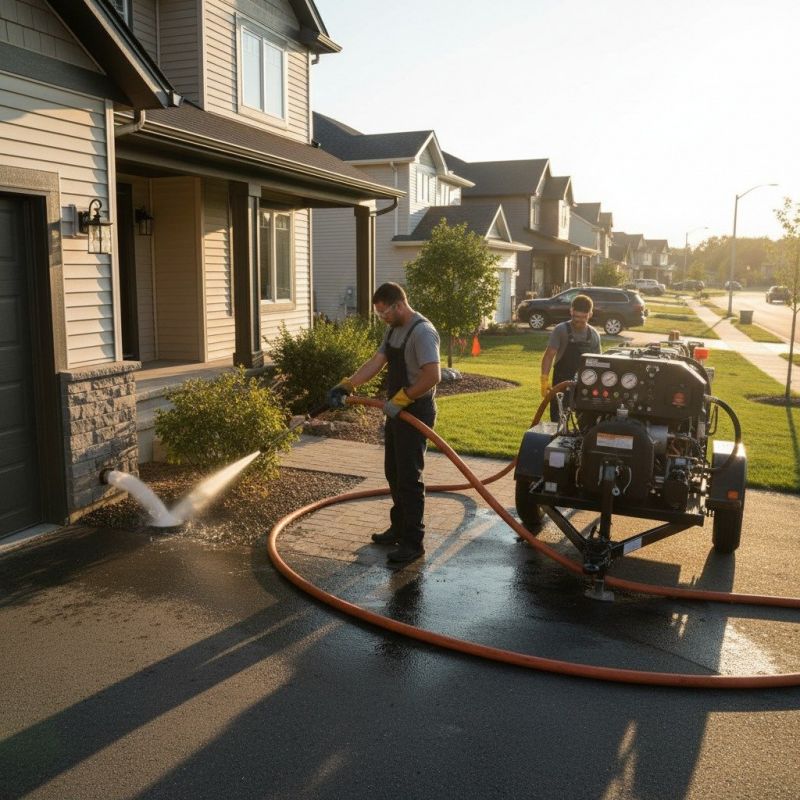
Use consistent comparison criteria across local contractors to effectively define scope, verify experience, and set clear expectations.
- Scope Definition - Clearly outline the specific storm water drainage services required for the project.
- Experience Verification - Confirm that local contractors have relevant experience handling storm water drainage systems.
- Scope Documentation - Ensure all project details and expectations are documented in writing before work begins.
- Material and Method Selection - Specify preferred materials and construction methods suitable for the drainage system.
- Compliance and Standards - Verify that the scope aligns with local regulations and industry standards for storm water management.
When comparing contractors for storm water drainage services, it is important to evaluate their experience with projects similar in scope and complexity to the work at hand. Service providers who have a proven track record handling drainage issues comparable to the specific site conditions can offer insights into potential challenges and effective solutions. Inquiring about past projects and requesting examples of completed work can help gauge a contractor’s familiarity with local soil conditions, drainage patterns, and regulatory considerations relevant to the area.
A clear, written scope of work is essential for establishing mutual understanding and setting expectations. When reviewing proposals or discussing options, ensure that the scope explicitly details the tasks to be performed, materials to be used, and the desired outcomes. This documentation serves as a reference point throughout the project and helps prevent misunderstandings. Contractors should be able to articulate the steps involved and the rationale behind their recommended approach, providing transparency and confidence in their proposed plan.
Verification basics are key to assessing the reliability of a service provider. It is advisable to verify the contractor’s experience through references or reviews, and to confirm that they possess the necessary knowledge of local site conditions and drainage solutions. Additionally, understanding the contractor’s approach to quality assurance-such as inspection procedures or standards for workmanship-can help ensure the project will be completed according to agreed-upon expectations. Asking for clarification on these points can aid in selecting a contractor with a solid foundation of experience and professionalism.
Evaluating options without focusing on prices involves comparing how each contractor defines the scope, their approach to problem-solving, and the level of detail provided in their proposals. Consider how well each service provider communicates their plan, their understanding of the site-specific challenges, and the methods they propose to address drainage concerns. It is also helpful to assess their availability to answer questions and their willingness to provide written documentation. These factors can reveal the contractor’s professionalism and compatibility with the project’s needs, helping homeowners make an informed choice based on expertise and clarity rather than cost alone.
Request written scope details to ensure clear understanding and consistent expectations with local contractors.
- Scope of Work - What specific services and responsibilities will the contractor include in the storm water drainage project?
- Experience and Expertise - How long has the contractor been performing storm water drainage work, and what types of projects have they handled?
- Comparison of Services - How do the services offered by different contractors differ in terms of scope and approach?
- Written Agreement - Are all project details, expectations, and deliverables documented clearly in a written contract?
- Qualifications and References - Can the contractor provide references or examples of past storm water drainage projects similar to the scope needed?
How can I compare contractors for storm water drainage services? Use the website to review profiles, experience, and customer feedback to evaluate different service providers and find the best match for your project needs.
What should I consider when defining the scope of storm water drainage work? Clearly outline the specific tasks, areas to be addressed, and any particular requirements to ensure contractors understand your expectations and can provide accurate proposals.
How do I verify the experience of a storm water drainage contractor? Review their past projects, request references, and check their history in handling similar drainage systems to confirm their expertise in the field.
Why is it important to have the scope of work in writing? Documenting the scope helps prevent misunderstandings, sets clear expectations, and provides a reference for the work to be completed by the contractor.
What questions should I ask contractors during the selection process? Inquire about their experience with storm water drainage, the methods they use, and how they plan to address your specific site conditions to ensure compatibility.
How can I ensure the contractor understands my project requirements? Communicate your needs clearly, ask for detailed written proposals, and confirm that all aspects of the scope are included before proceeding.
Understanding the key aspects of storm water drainage services can help in making informed decisions when choosing a contractor. Visitors learned how to clearly define the scope of work, verify the experience of local service providers, and ensure that all expectations are outlined in writing. Comparing different contractors enables selecting the best fit for specific project needs, emphasizing the importance of thorough research and detailed communication.
Using the quote form allows for easy comparison of available local contractors who specialize in storm water drainage services. It provides a straightforward way to gather information, evaluate options, and connect with experienced service providers capable of handling the job. Taking this step can help in identifying the right professionals to meet project requirements efficiently.